By Ellen Brewster
If you’re a cynic like me, your first thought is probably that everything is just a cash grab. The endless recycling of media in various forms seems to be a ritualistic effort to produce more. Because of this, adaptations have consistently sparked debate among both game enthusiasts and TV fans.
There is a constant dialogue between game and TV adaptation forms. In my closest circles, we are always debating the value of a TV adaptation: whether it has done justice to or betrayed the game it is attempting to emulate in some form. Yet, what we always return to is the idea that they, as independent works, whilst informed to a degree, hold intrigue and inspiration for each other. When executed properly, these capitalist and creative need not be mutually exclusive. Indeed, a project spanning both mediums can be a cash grab, worthy and art all at once.
The triumph of TV series in the last couple of years emerges from the graveyard of movie adaptations, with deliberate executions and plot betrayals. Many of these film adaptations seem to produce responses of the black and white thinking kind, or like marmite, it’s either hmmm decent, or WOW, that was shocking, it did no justice to the original. What typically takes a key part in how well they are received is how well an adaptation has translated the game into the TV, particularly the viewers’ power over it. The immersive nature of the game, physically controlling characters and deciding fates, is felt to be lost when you are a passive observer of a story. The pacing, the exploration, the detail, and the immersion are controlled by you. Yet, when this is converted to a screen production, this power is stripped from the viewer. In the moments when the director and actors can mend this interactive connection, the TV adaptation comes to life.
Take a look at Black Mirror: Bandersnatch. This film crosses these challenges that are faced in the movement from game to show. The film reverse engineers the adaptation by bringing video game mechanics (at their very basics) into the television format. The plot centres around a programmer attempting to adapt a novel into a video game, and finally, the viewer turns the program into a sort of quasi-game show. By making the protagonists’ decisions, you dictate the narrative. More importantly, however, it highlights through successful mimicking of the interactive nature of a game, Bandersnatch proves to what degree player agency plays a role in making a story engaging. Unlike this example, most television centres around a more traditional chronology, in which you cannot choose five different endings. Screenplays strip this fundamental pillar of gaming, and in doing so, they have to compensate to keep the audience engaged. This is where a cash-grab and a prestige adaptation can be divided.
The capitalist venture is separated from the effective and respectful adaptation in its fundamental approach. The first sees a brand to be exploited, the latter acknowledges the independent power and creativity of the game. It does not treat the source material as a draft needing fixing for a mainstream audience; it treats it with reverence. This is done particularly effectively when the entire crew of an adaptive production acknowledges the emotional response that players had to the worlds. In stripping away the players’ agency, they must engage with the core themes on a deeper level, in direct response to players’ wants and desires. Instead of treating it as an adaptation of a plot, it is an adaptation of a relationship between the art and the audience. The type that does this effectively alleviates the anxieties and feeds the appeals of the hardcore fan and the newcomer. A good adaptation should make you want to learn more, to play the original, to read the lore.
The episodic format offers serialised pacing that mirrors the video game experience – to a degree. It provides a fragile culmination of moments to be watched in one sitting or over a long time. This diversion over time allows for development and setting of atmosphere, plot and casting to sit in its own space. But this is not the singular magical formula; each show uncovers a new creative way to adapt the game. The Last of Us, as a video game, was full of storytelling, a clear narrative pathway, and a capacity to be deeply cinematic. In recognition of this, the TV show did not try to reinvent the wheel: rather, they sat in appreciation of this genius. The screenplay acts as a vessel for a sort of translation; truly, it is impossible to capture all the details of the game, but it does a great job at translating the medium. The choice of actors and directing allows for creative input, and this centres the deviation from the player’s imagination. The loudest criticisms among fans of the game were primarily focused on casting choices rather than accusations of narrative betrayals. Yet, the program seems to work incredibly well.
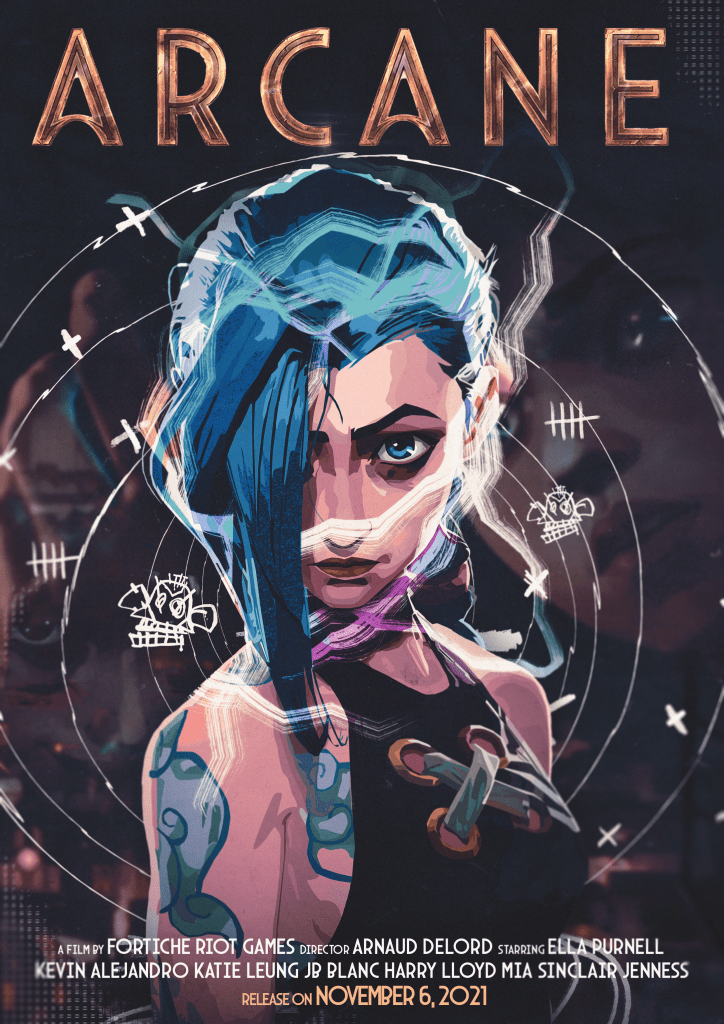
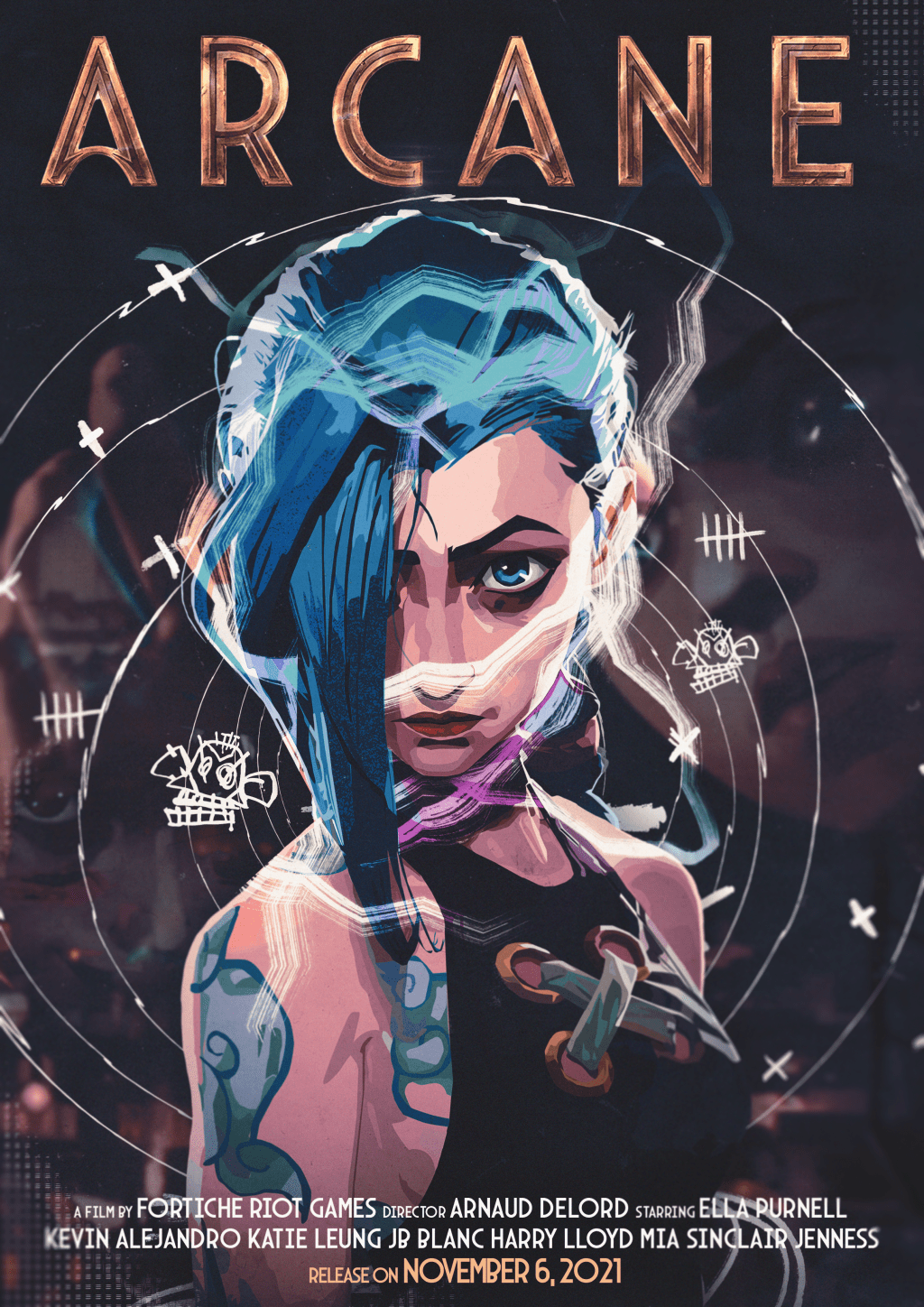
In contrast, Fallout proves that a successful adaptation does not even need to follow the plot to the T. Rather, the screenplay canonises one player’s, Lucy’s, specific playthrough in the expansive Fallout universe. Indeed, this adapted the core tone of the game and honoured the independent power of the franchise without stomping on the toes of past character play. The quality of acting in Fallout, of course, allows it to be better appreciated, as well as the directing, which is just great. This series, especially the first, was a massive hit with gamers and newcomers alike. Moving away from live action, Arcane shows that an animation can be a highly successful and creative adaptation of the game format. Taking the rich world-building, it captures the aesthetic of the video game medium. Based on League of Legends, Arcane is built on its lore and situates itself within an omnidirectional narrative and repurposes it for TV production. Whilst all these examples stand are financial; successes – a cash grab – they are undeniably masterpieces.
If the TV shows privilege is time, then the film’s curse is time. A structural disadvantage for attempting to create a complete adaptation. The key aspect to this is to recognise it, and to focus on specific parts, not try to encapsulate the entire thing in its depth, as this will produce an ultimately flawed piece. When a director is forced to cram hours of gameplay, full of lore, into a two-hour window, something is sacrificed. The pacing is accelerated, character depth is removed, and what is left feels closer to a cash grab than a respectful piece. From this, many people approach film adaptations with cynicism and with their guards up. Take the first Resident Evil film, for example. The fanbase was initially sceptical of Paul Anderson’s directorial career track record of films like Soldier and Event Horizon. What was produced, for those who have played the game, seems to be a betrayal of the basis of the game. Anderson abandons the lore of the game in favour of flashy aesthetics. It relied heavily on mimics of game mechanics, which served no purpose in the narrative of the film without the console in the viewer’s hand. However, despite narrative flaws, the atmospheric tension was produced with the soundtrack and scenery.
When the film fails to capture the basic atmosphere of the game, in the recent Five Nights at Freddy’s films, they crash and burn, particularly for those who had high expectations of the adaptation. The casting was great and had the capacity to work with a game lore so deep and intricate that it could have created an adaptation of intrigue and magnificence. It fell short of this. The story elements are rushed over, and it sheds its artistic potential to get the animatronics on the screen… a brand exercise? However, when a film adaptation recognises the extent and limitations of the medium, it can be a great piece of media that does the game justice. The 2006 adaptation of Silent Hill proves that, in this case, less is more; they do not attempt to cram each plot point into the screenplay and instead centre the film on the immersive qualities of the gameplay, the atmosphere. In prioritising the set design, particularly of the town, Silent Hill proves that this two-hour adaptation can stand as an artistic venture. Looking back at polarised reactions of films and shows, it raises the question of: are we idealising these adaptations because they have been historically pretty rubbish? The bar has been set low; is it time to bypass it? The standard has changed. An adaptation can be a studio cash grab designed to gross a massive output, but it can also function as respectful to the source material and an artistic masterpiece.


Leave a Reply