By Grace Clift
Matcha has taken the world by storm within the last decade. From its range of health benefits to its distinctively bitter flavour, the Japanese tea has turned the internet green with envy. Massive chains like Starbucks and Black Sheep Coffee have placed matcha firmly on the menu, and tea farms across Japan are scrambling to keep up with demand.
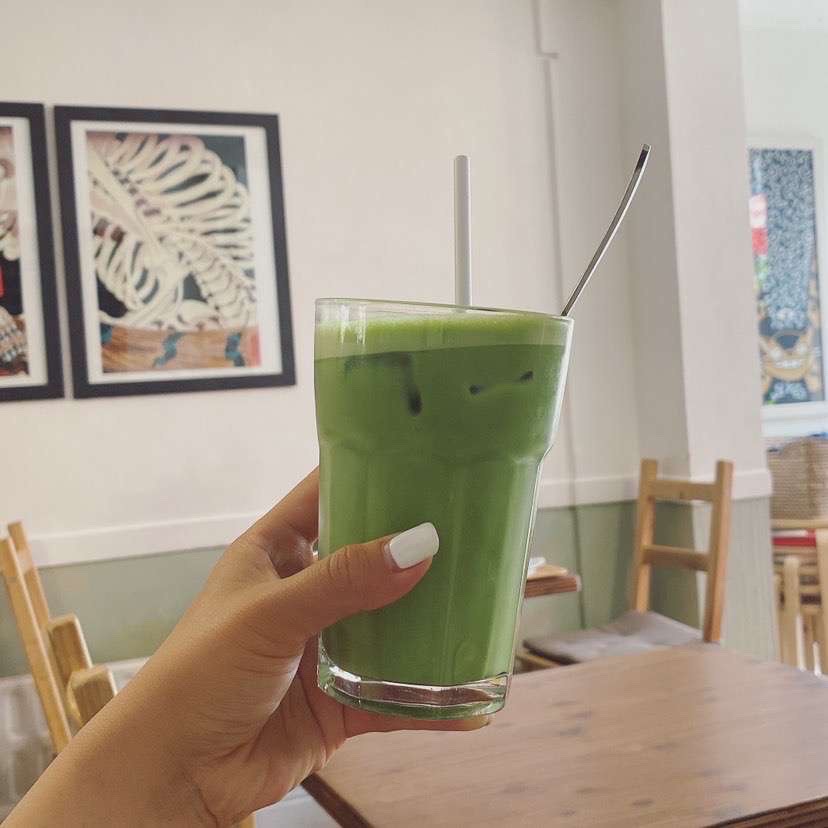
Despite its popularity, the vibrant drink is surrounded by questions. What are the health benefits? What does ‘ceremonial grade’ mean? How does such a bright green colour come from a tea bush? The most popular way to consume matcha in the West is a matcha latte, but there’s an increasing number of milks and syrups to choose from. Which is the best?
I spoke to matcha expert Frances Cowdry at Ippuku Tea House to find the answers to all of these questions. Frances began her own tea company in 2013 with her partner, after meeting a friend of a friend with a tea farm in Yame, Japan. It was difficult at the time to find high-quality matcha in the UK, and so Ippuku Tea began. After spending time touring festivals for a few years, Frances started her own tea house in York city centre, serving authentic Japanese cuisine, as well as some of the best matcha drinks in the UK.
My first question was at the very basics of tea knowledge – what was the difference between matcha and standard green tea? The difference, Fran told me, begins in the planting process. Tencha (the leaf that turns into matcha) is grown in a shaded area. This means that the plant directs all of its energy towards growing out of the shaded area and into the sunlight, producing more amino acids and caffeine. The health benefits of matcha stem from this growing process, making it a healthier choice to coffee.
Matcha includes high levels of L-theanine, which reduces the jittery effects of caffeine and promotes relaxation. It also has high levels of catechins, making it a powerful antioxidant, as well as double the amount of vitamin C as other green teas. For these reasons, matcha is often hailed as the healthiest way to start a morning.
“Originally, green tea was used by monks for meditation. It allows you to be alert and concentrate, without that [intense] energy boost that caffeine gives you. It just gives you a general alertness, which is really good for studying and writing.” Fran told me, pouring me a cup of sencha from a wooden tea tray.
Often, matcha powder will be sold with terms like ‘ceremonial’ and ‘premium grade’ on the packet. I asked Fran what this meant, and she told me about the four levels of the tea bush. “Tip of the tea bush, ceremonial grade matcha. Then premium matcha, then daily matcha, then culinary grade. These are our [consumer] terms, they’re not [Japanese tea farmer] terms”.
There’s no standardised quality level for matcha categories, so it all depends on the tea farm. “When someone says ceremonial grade, it doesn’t mean anything.” Fran told me. “If a tea farm is terrible at growing a tea plant, their matcha is going to be terrible. Even their ceremonial grade.” Instead, the colour of the matcha is what matters.
“Finally, in the last couple of years, people have green matcha, which is a revelation! From 2013, we were the only matcha that was vibrantly green. All the matcha was grey or brown.” Brown leaves mean that the leaves have been picked and not immediately processed, which changes the flavour and health benefits. The best matcha will be a bright green, like those sold by Ippuku Tea.
“As soon as you pick a leaf, it starts to oxidise. Green tea is 0% oxidised, so it’s very important that the tea pickers take all of those leaves and immediately take them to get processed at the tea farm. It’s a very quick, very intense time at the farm.”
After the leaves are picked, they are shocked out of the oxidation process by high temperatures in a steamer. They are then dried, and go through a rigorous destemming process. The leaves that make it through this process are called tencha, meaning ‘ground tea’ (ten translating to grind, and cha to tea). Then, the grinding process begins.
The best matcha is processed in stone mills, because they cause the least amount of friction. This keeps the leaves green and prevents oxidation. However, they’re extremely expensive – sometimes as much as $20,000 (£15,076). Only 20% of tea farms in Japan use stone mills, opting for the more affordable plastic mills. Most tea farms need an hour just to create 40g of matcha powder, so investing in matcha processing over sencha or other teas is often deemed not worth it.
Matcha hasn’t always been a global phenomenon. “It was popular about 400 years ago,” Fran joked. But between then and now, Japanese people largely rejected the bitter taste. When Fran went to Japan in 2013, she struggled to find matcha anywhere other than Starbucks. Its popularity surged in 2015 with a rise in influencer culture, and suddenly, the few tea farms growing matcha were under intense demand. Farms have scrambled to gain the equipment and skill required to develop matcha powder – all the while, matcha’s popularity grew and grew. In 2023, matcha drink sales saw an increase of over 200% in the UK, while tea farmers faced intense pressure to speed up the natural process.
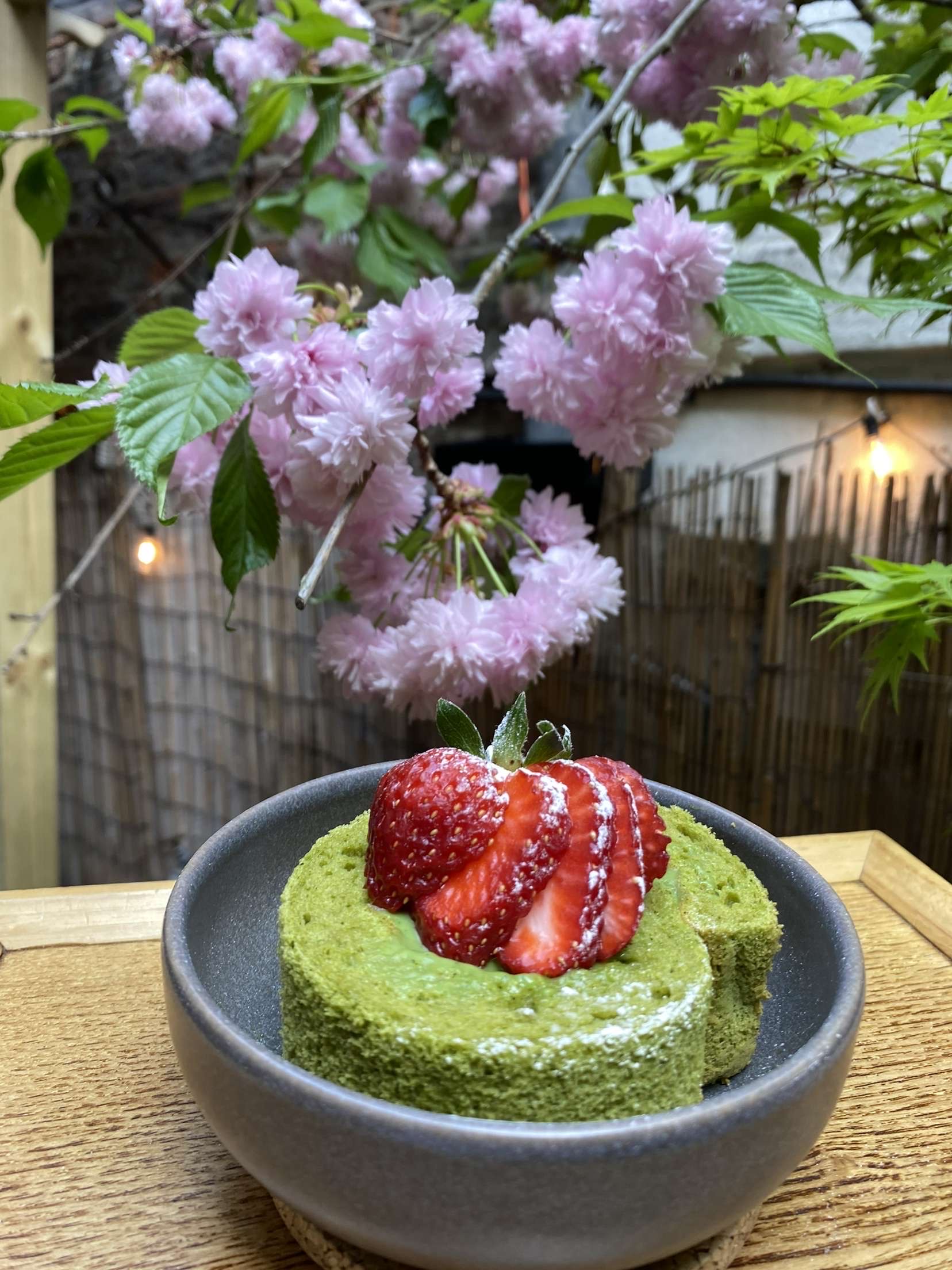
“My next mission is to [get everyone to try the other Japanese teas].” Sencha is produced much more by Japanese tea farms because of its relatively easier process, and has a similarly refreshing taste and vibrant colour. Not only will trying other Japanese teas ease the strain on Japanese matcha farmers, but also celebrate the range of flavours that Japan has to offer.
If you’re going with matcha, though, a matcha latte is the easiest entry point to the bitter flavour. The best milks are sweeter milks like oat, dairy and coconut. Because of matcha’s natural bitterness, it compliments sweet milks best. Almond milk creates a very distinct flavour – Fran described it as a battle between the strength of the almond flavour and the matcha.
Matcha is not only a refreshing drink, but a product of intense, historical labour thousands of miles away. There’s a history spanning centuries, controversies over shades of green, and an ever-increasing shortage. It is much more than a tea – it is a symbol of cultural celebration, of hard work and ceremony. When you next take a sip of matcha, reflect on the complex and elegant journey that the powder has taken to get to you, and give thanks to those who have brought it to your table.
Thanks to Frances Chowdry and her team, Gabriela Mitek, Sayaka Gray and Yumi Greatrex for their expert knowledge on matcha. To buy well-researched, high-quality matcha, see the Ippuku Tea website here: https://www.ippukutea.co.uk/.
 Surround Sound Magazine