By Isabella Dewson

Fast fashion has a new fave. And no…it’s not Shein or Temu, it lurks in the left hand corner of your ‘For You’ page.
TikTok Shop attempts to promote a seamless blend of entertainment and commerce, it beckons users with its curated selection of trending products. But beneath the surface of viral content and popular sounds lies a question that demands exploration: Is TikTok Shop a legitimate marketplace, or merely a cleverly disguised facade built on algorithms and fleeting internet fads?
Remember flipping through channels and stumbling upon QVC, the home shopping network? It was a form of window shopping from your couch, showcasing products with enthusiastic hosts. Today, that access is mediated via algorithms, affiliate links, and endless-scroll feeds.
TikTok has quickly become a significant player in the social commerce arena. According to Capital One Shopping,Americans spend an estimated $32 million per day shopping on TikTok. Moreover, 61% of users have purchased directly through the platform. Making it clear that it is an algorithmically driven marketplace where trends explode overnight, and products go viral in seconds.
You’ve likely seen the latest influx of TikTok Shop products for suspiciously low prices. But don’t be fooled: TikTok Shop is another excuse for overconsumption, luring people to buy low-quality products with low prices. It should not be mistaken for a legitimate marketplace.
It’s no wonder that TikTok Shop has gained traction so quickly. The appeal of earning money through commissions is hard to resist, especially for content creators looking to diversify their income streams. However, this rush to promote products often overshadows the importance of quality and ethical consumerism. Through the guise of authenticity, the videos mimic a recommendation from a ‘friend’. Personal recommendations hold more weight to a consumer. For example, Nielsen, in a 2021 study, found that 88% of consumers say that they would buy based on personal recommendations over traditional advertising.
The platform becomes flooded with items that may not live up to their advertised value, leading to buyer’s remorse and a cycle of unnecessary consumption. As users scroll through endless recommendations, they’re constantly bombarded with the temptation to buy more, contributing to a culture of instant gratification and waste.
Moreover, the rise of TikTok Shop has inadvertently fuelled the fast fashion industry, with its endless stream of inexpensive clothing items made primarily from synthetic materials like polyester. These garments, often produced in questionable conditions, are marketed as trendy and affordable, enticing users to constantly update their wardrobes with the latest styles. The low prices mask the true cost of these items, which include environmental damage, unethical labour practices, and the eventual accumulation of textile waste.
A concerning trend emerging from the TikTok Shop phenomenon is the resale of these fast fashion items on platforms like Vinted, often at inflated prices. Individuals capitalise on the perceived value of ‘viral’ products, marking them up by as much as three times their original cost. This practice preys on consumers who missed the initial wave of popularity or are willing to pay a premium for the convenience of buying from a reseller. It perpetuates a cycle of overconsumption and contributes to the devaluation of clothing as a whole.
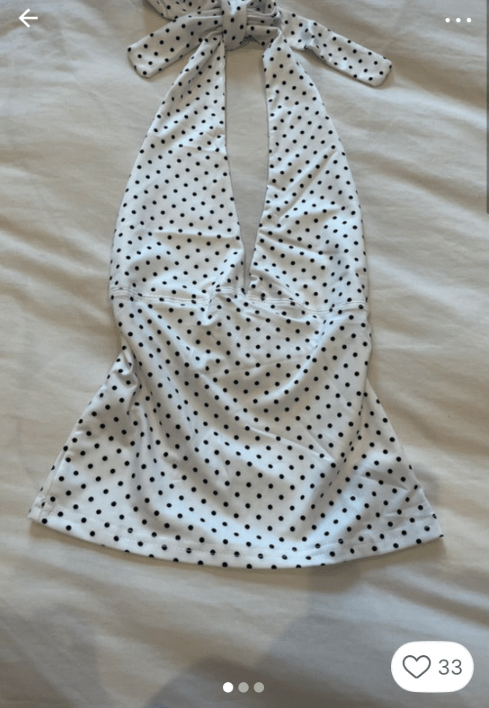
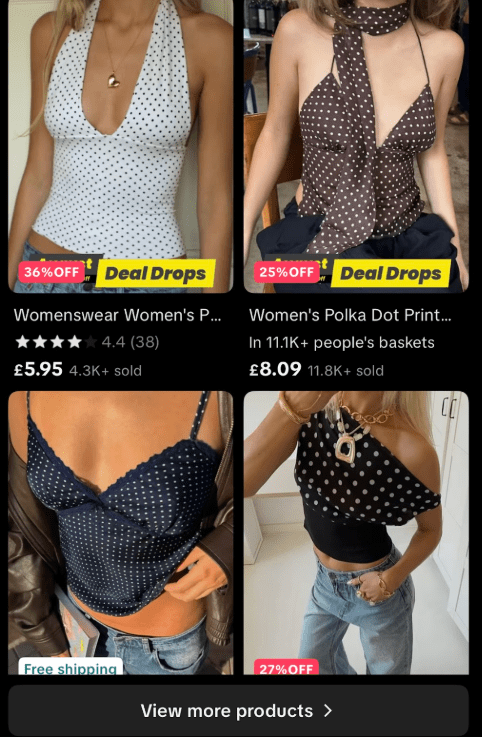
The stark contrast between TikTok Shop and Vinted reveals a concerning cycle. While Vinted offers an ethical alternative by promoting the reuse and resale of clothing, the influx of fast fashion items from TikTok Shop threatens to pollute this system. The resale of these low-quality, and trendy clothes at inflated prices undermines the principles of sustainable fashion, turning Vinted into another marketplace for overconsumption. This practice not only exploits consumers but also perpetuates a cycle of waste, as these items are likely to end up discarded after their brief moment of popularity; a practice known as ‘planned obsolescence’. The comparison highlights the urgent need for greater awareness and responsible consumer choices to break free from this negative cycle.
The TikTok Shop consumption cycle which is fuelled by polyester clothing and opportunistic reselling, highlights the urgent need for greater consumer awareness and ethical considerations. By understanding the true cost of these trends, consumers can make more informed choices, opting for sustainable alternatives, supporting ethical brands, and resisting the allure of fleeting viral products. Only then can we move away from the cycle of hyper-consumerism and create a more responsible and equitable fashion industry.
 Surround Sound Magazine