By Duniya Jan
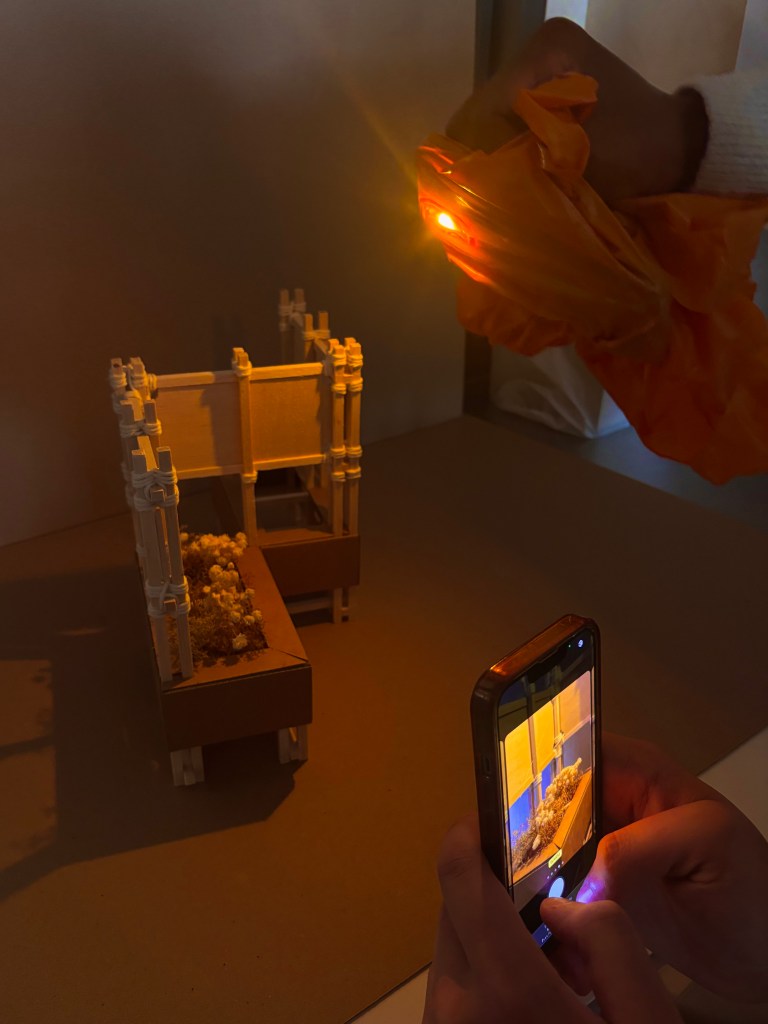
The average person likely pays little attention to the structures that surround them. Buildings are usually viewed as a means to an end: they house something else important to their visitors, be it a place of work, worship, consumption or more. Rarely does a work of architecture represent the people it finds itself placed between. Sure, a site of historical relevance may, over time, gain the privilege of cultural heritage, taking the likes of perhaps the Sagrada Familia or Kiyomizu-dera as examples. But on a local level, intentionally representative structures are far and few between, with inter-personality often being second to financial austerity and practicality. Inkline Studio aims to alleviate this issue.
Composed of four architecture graduates, Inkline Studio delivers community. The studio focuses on the three pillars of empathy, social responsibility and engagement, using architecture as a means of heightening the sense of commonality that our current society sorely lacks. Inkline Studio further serves to challenge evident increases in polarisation and division in the nation. They rightfully attest to the belonging of architecture in discussions promoting socio-economic harmony, given the immediacy and proximity of the subject in our everyday lives. In our current political climate, most groups are ostracised on a verbal, digital and legislative level. Speaking with Inkline allowed us at Surround Sound to acknowledge that the problem has seeped into the literal foundations of who we are and where we go.
Inkline Studio wishes to reframe the process of architectural design at its core. Using local voices as a drive for their projects, the studio hosts a myriad of different programmes to enact their vision of bringing people together. They host workshops and boost hands-on collaboration with resident communities, the youth and small businesses, encouraging open dialogue to shape and rejuvenate spaces according to those who use them most. Rather than relying heavily on architectural precedent, the team favours human connection: memories of local residents, cultural heritage and intergenerational dialogue are at the forefront of their work. In the studio’s own words: ‘community engagement becomes visible when the project outcome is an amalgamation of those who helped shape it.’
Tangible impacts on local communities have already been made by the four architecture graduates. Inkline Studio is currently working with Lyon Park Primary School on a student-centred installation, guided by the studio and designed by the children themselves. Additionally, they have partnered with We Restart to work on a proposal for the London Festival of Architecture. More projects are lined up for the rising Studio, and we look forward to the beautiful – and much needed – schemes they plan to introduce. In the deeply divisive times we find ourselves in, encouraging strengthened community is now more important than ever.
 Surround Sound Magazine
Leave a comment