By Grace Clift
“I was given a Canon PowerShot A400 for my 5th birthday and I really never looked back.”
This was how Amy Morton, Vogue-approved cinematic wedding photographer and founder of Moredillo & Co., describes her journey into photography.
“The first few years of using it were mostly spent putting the camera super close to every texture I could find and taking photos with the flash, so I ended up with a gallery full of bold block colours. I really think that early love for colour is what first pushed photography from something fun into a real passion.”
During her university architecture degree, one of her first projects involved photographing people. She was shocked at just how much she loved it, and started to wonder whether photography could become something more than just a hobby.
“What is the best combination of architecture, detail shots, nature, and people? Weddings.”
“As I mentioned before, wedding photography is really everything rolled into one. There is micro photography with flowers, rings, and small details, architectural elements like buildings and estate settings, and almost a commercial approach at times when photographing the space itself. A lot of my style is inspired by editorials and fashion photography, alongside documenting the ceremony and the day as it unfolds.”
It’s a lot of work turning ordinary people into stars in front of the camera. Her go-to approach is laughter to shake off that initial awkwardness.
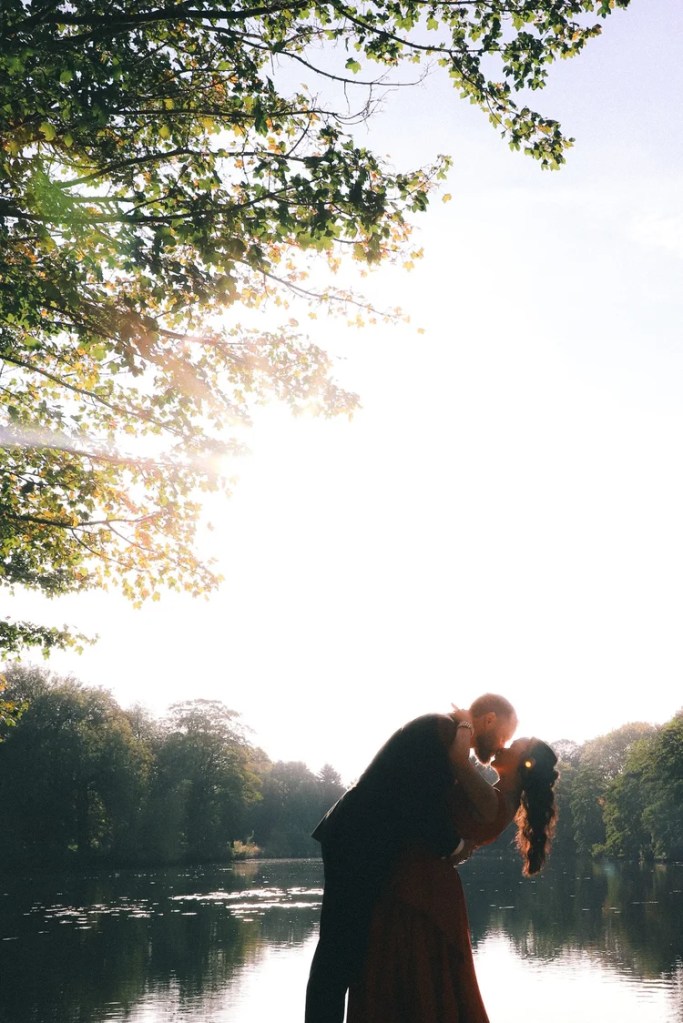
“I have always found that laughing and having fun is one of the best ways to create beautiful, relaxed images. Some of my favourite photos I have taken have never been of people looking into the camera. A lot of the time, the poses are not really poses at all, more like small things to do, prompts, such as picking up a flower and putting it into their hair. There is no pressure to look at me, and it does not matter how slow things are, I will just capture whatever happens. Letting things flow naturally is always a good thing, authenticity is one of the most rewarding things to capture.”
When I meet her for the first time, she’s editing a photo of a laughing young boy in a field. Despite the train being crammed and her desk being tiny, she’s entirely focused on getting the colours just right.
“Being welcomed into such a meaningful space, not just to do a job, but to witness something as special as a wedding, is incredibly moving.” She tells me. “I get to hear the funny speeches, see the long-awaited reunions and learn about their lives. That level of trust and warmth is such an honour to experience.”
“In a way, that is also the hardest part. You can share such an incredible experience with the most incredible people, and then once the day is over, you may never see them again. It is bittersweet, but it is also what makes those moments feel so precious.”
The first thing she keeps in mind at a wedding shoot is timing. It’s important to have a sense of the day and the space, because things move extremely fast. It’s also essential to her that the day stays centred around the couple, rather than the photos – “the timeline should work around them, not the other way around”. Clear communication avoids focus being taken away from what the day is really about, and allows the couple to feel confident that their memories will be captured in the way they envision.
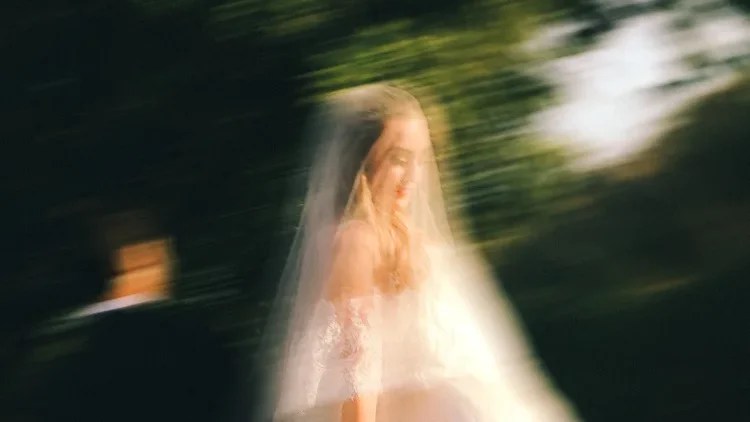
Morton’s photography is cinematic and editorial – every shot looks like it came from an old-timey romance movie. The popularity of her cinematic style has led her to start creating mini wedding films to capture the movement of the day. However, photos are where it all began – I ask her what it takes to make a photo “cinematic”.
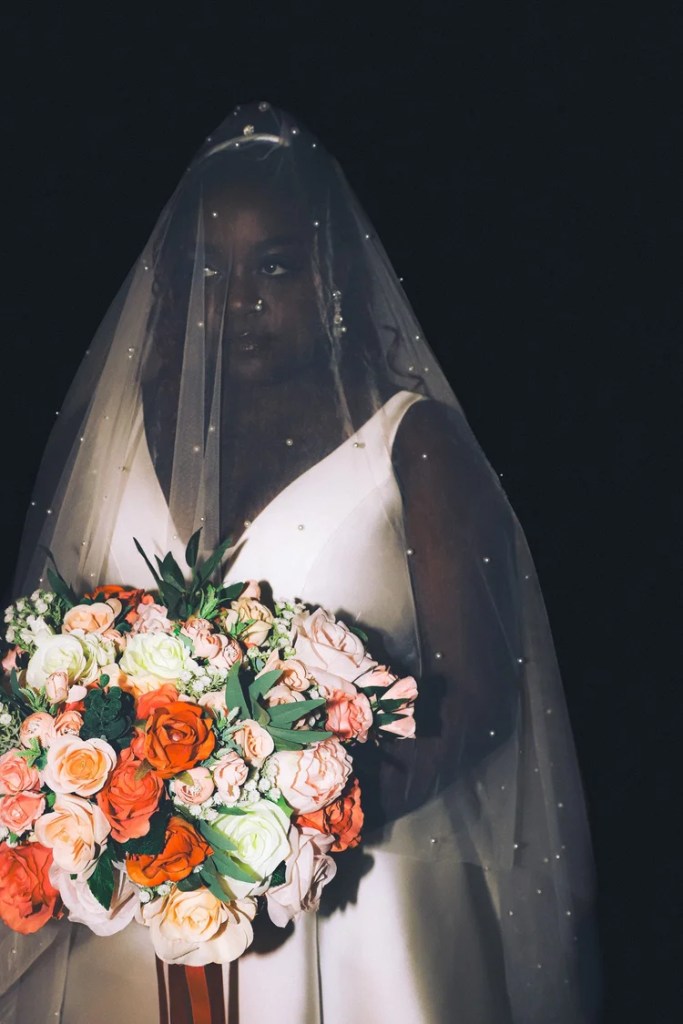
“For me, it comes down to four main elements: movement, composition, lighting and colour grading. Even within a single, still image, you can communicate such a strong sense of emotion and atmosphere. A cinematic photograph feels like a moment or frame from a film. It really is the best feeling when a photo feels like it could be from its own movie.
“What feels cinematic can change completely depending on the location and intention. For example, a late night couples shoot at a fast food restaurant can feel just as cinematic as a beach shoot, but in a very different way. The mood, lighting, colours and energy of a place all shift depending on the time of day and what is happening around you, and that constant change is something I really love working with.
“Composition plays a big role in guiding the eye through the frame and creating emotion, but for me, colour is often what brings everything together. It is an incredibly expressive tool and can completely change how an image feels. Cinematic does not mean one specific look. It is about using those four elements intentionally to create that depth and a sense of storytelling within a photograph.”
Her work has been recognised by PhotoVogue, which is Vogue’s curated platform where photographers can submit their work to be reviewed and selected by their editorial team. She was also selected for publication on BBC Big Picture.
What tips does she have for any aspiring wedding photographers, as a now-seasoned expert?
“Do not be deterred by how saturated the industry may seem. No one else will have the exact same vision, way of working or experiences you do. There are so many different types of weddings within wedding photography, and so many areas you can choose to specialise in.
“I would really recommend taking the time to find a style you truly like and feel excited by, but also remembering that you do not have to box yourself into it. Your style can change over time, and that is completely natural, but having that initial starting point helps you find your voice. Always remember that the way you shoot, how you anticipate moments, and how you move through a day will always be personal to you. You could have a hundred photographers in the same room, and none of them would capture the exact same image.
“I would just say to take the plunge. There is always someone looking for a student photographer, someone just starting out, or couples planning smaller celebrations. I was fortunate that my first wedding was with an incredibly welcoming family who were open to working with an emerging photographer. Being the sole photographer for that event gave me the knowledge, confidence, and images I needed to build a portfolio and go on to book more weddings.”
Amy Morton’s full portfolio can be accessed via her website, which can be accessed here. Her Instagram also displays fully edited shots, as well as behind-the-scenes content.
 Surround Sound
Leave a comment