By Naomi Marques Wiggin
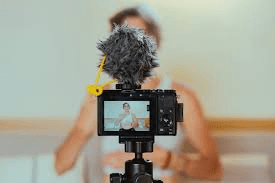
Increasingly I find myself watching day in the life videos, and have begun to wonder why we have become so unashamedly interested in watching snippets of stranger’s lives.
Sure, a productive, highly curated daily vlog can be a motivating watch while you are bed-rotting and scrolling through reels. Stepping into someone else’s story can take you out of your own thoughts for a little while and offer you an escape. Vlogs can even be used as “body doubling” tools for productivity, played in the background to help you stay motivated and focus on your own tasks. But how realistic is someone’s 5-9 before their 9-5? Can we really optimise every aspect of our lives without reaching burnout? There is a fine line between finding these types of content inspirational and comparing yourself to an unattainable goal.
There is something intimate about knowing the intricacies of someone’s morning routine, or what someone is reading during their daily commute to the office. Undoubtedly, we feel connected to those who we watch after having seen a glimpse of their life through their own eyes. Seeing a familiar face doing everyday things can feel like hanging out with a friend, creating a cosy sense of belonging in the comfort of our own homes. But does this create a one-sided relationship between viewer and influencer? In what other context would you be able to enter someone’s bedroom, kitchen or work space, places usually reserved for close friends. It feels intimate, but as a viewer you remain completely safe and anonymous.
There is something to be said about an increasing lack of safety in terms of influencers oversharing seemingly innocent personal information. Where does the boundary lie between privacy and sharing content? What can feel harmless, a skyline in the background or a favorite café tagged in real time, can unintentionally reveal much more than intended. In an online society that seems to reward constant visibility, excessive sharing can become expected, but at what cost? As audiences grow more accustomed to intimate access, creators are left navigating a difficult balance: staying relatable and transparent while still protecting their personal safety.
Does the aesthetic nature of this format of video change how we see our own unfiltered lives? If I were to wake up at 5am before a full day at work or University, I certainly wouldn’t be as calm and composed as the creators on my Instagram feed. The bags under my eyes alone would do the talking.
Often influencers DITLs quietly boast their extreme wealth, whether it’s casually going out for an overpriced coffee every morning, huge shopping hauls or lavish get-aways, all which are largely unrelatable and can leave us to compare our “mundane” routines.
On the other hand, DITL videos can be hugely helpful in raising awareness for those who are struggling, and provide some relatability. In this way, vlogs can function as windows into real-life experiences we might not otherwise see, offering understanding, empathy, and sometimes practical tips. For example, a creator I follow shares their journey of the realities of living with a chronic illness and aims to make people feel less alone and shares tips on how to help a loved one who may be struggling.
Watching someone else’s life can be an escape, and that’s totally fine. Next time you come across a DITL, notice how the content hits you: is it genuinely motivating, comforting or just draining? Be picky about who you follow, and stick with creators that make you feel good.
 Surround Sound
Leave a comment