By Amy Miller
Fashion is an ever-evolving industry. Consumer preferences can change overnight, often in accordance with social media fads and influencer endorsement. This volatility can be said to have bred fast fashion, a subsection of the business defined by Merriam-Webster as intent on “making fashion trends quickly and cheaply available.” As implied here and as its name would suggest, fast fashion is largely focused on speed and accessibility; the term was actually coined by the New York Times in 1989 with reference to Zara’s mission to go from design to store in just 15 days. At its conception, such a quick turnaround allowed regular people on regular wages to dress with style, and was therefore touted as promoting the democratisation of fashion.
Sadly, these positive consequences are constantly outweighed by their negative counterparts. Fast fashion, with its products constantly thrown into landfills, is thought to be responsible for around 10% of our annual carbon footprint and is therefore a key player in the destruction of the natural world. Furthermore, its impact is not only environmental but ethical: labour is habitually outsourced to countries with low employment standards in order to reduce costs, meaning that workers are likely to be underpaid and mistreated.
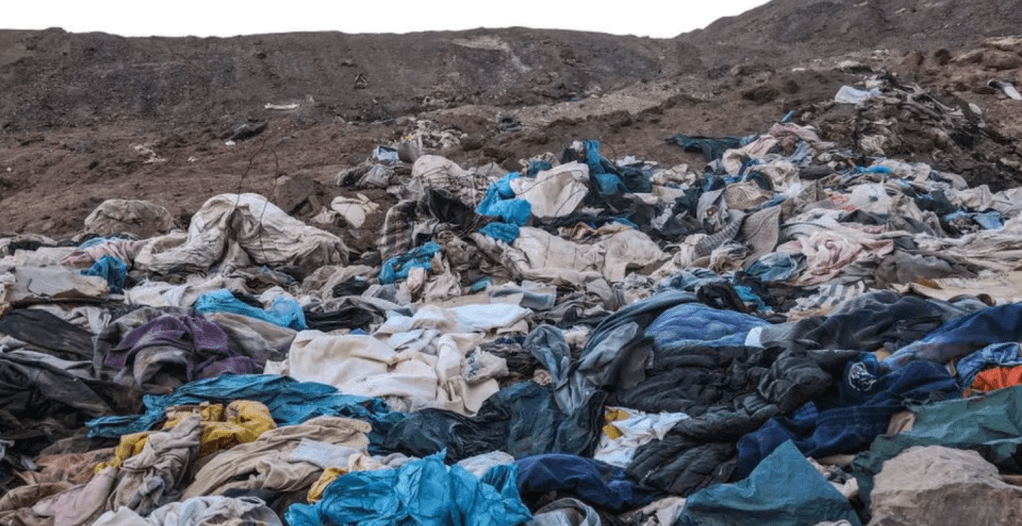
Clothing waste build-up in Northern Chile. Via Getty Images
At this point, having recognised the devastation caused by fast fashion, you may wish to avoid it – this is an honourable resolution, and I now hope to advise you on how to achieve it.
With plenty of clothes already in existence, the most obvious port of call is the second-hand. Gems can easily be found in your local charity shop or vintage store; and, if you are willing to barter with resellers online, websites like Depop and Vinted are widely available and always inundated with listings – more often than not, the perfect pieces are just waiting to be picked up. Another bonus, of course, is that buying pre-loved is an easy way to save money!
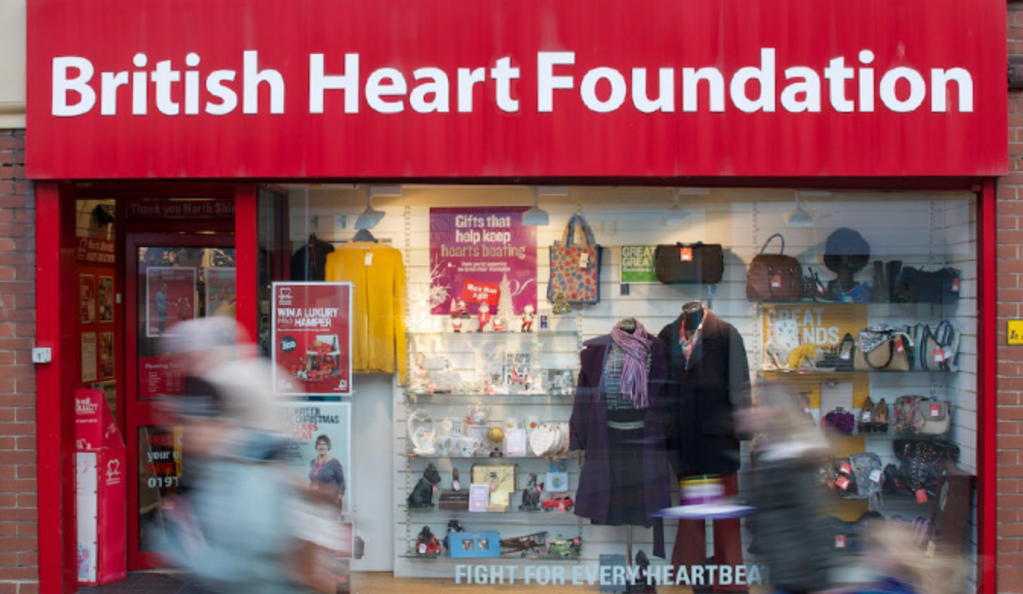
A British Heart Foundation shop in Eastbourne – BHF is the largest charity shop chain in the UK. Via the Beacon Centre website.
Unfortunately, certain items like underwear and shoes are harder to find in such places, especially in good condition. In situations where you feel you must buy new, it is important to consider material. Environmentally friendly fabrics and fibres, usually referred to as low impact, are defined as such due to both their origin and their longevity. Cotton, a traditional long-lasting material, is known to use extensive amounts of water but is now available in its recycled form, presenting a more sustainable option for the everyday consumer – this knowledge is particularly useful in the search for underwear, where breathability is a key factor. On the other hand, while low impact shoes are seldom affordable, it is generally advisable to invest in one or two staple pairs that will go far. For example, Dr Martens offers a wide range of durable shoes, including some made of vegan leather if animal welfare is a priority. Like most clothing, when taken care of, these classic boots can be worn for decades and thereby saved from ever-growing landfills.
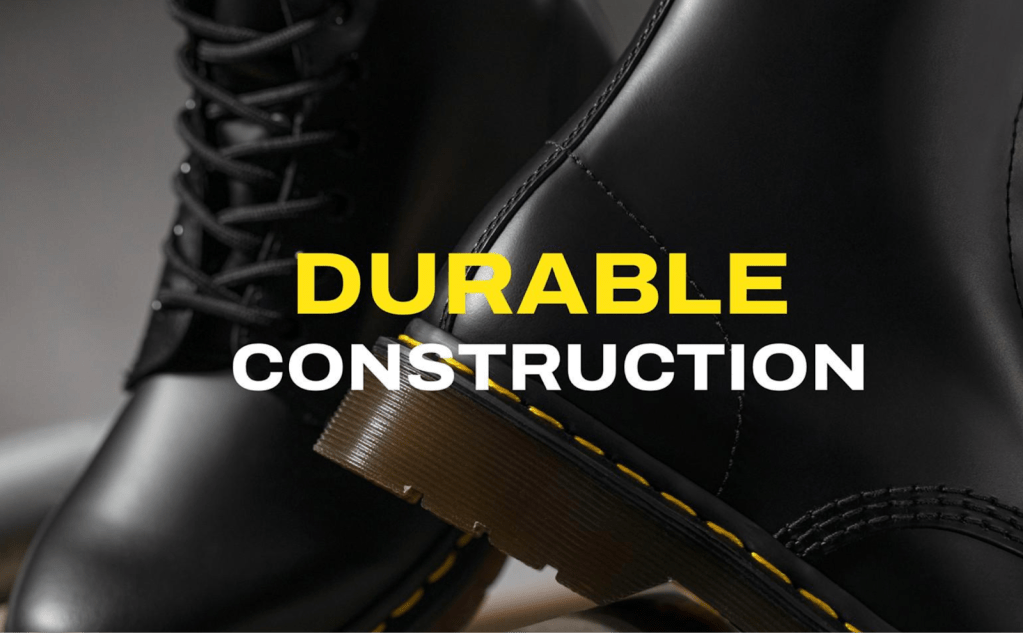
Via the Dr Martens website, on their page dedicated to Being Responsible Bootmakers.
Finally, I’d like to touch on a more personal issue in relation to the abandonment of fast fashion. In the year 2026, almost everybody has an online presence and is constantly consuming the presence of others: as such, you may find yourself unwillingly drawn into an obsession with trendiness and fashionability, the definition of which seems to shift daily. Wishing to keep up and relying on clothing giants to work in line with these trends is unsustainable; instead, I urge you to slow down. No matter where you shop, consider purchases carefully. Buy pieces you know will last in strength and in appearance, things you will not need or want to throw away any time soon. In doing so you might just find your own style, characterised by statement vintage pieces or recycled neutrals, chunky antique jewellery or smooth vegan silk. Your love for fashion need not be dimmed by ethical restrictions – it might even be energised by them.
 Surround Sound Magazine
Leave a comment